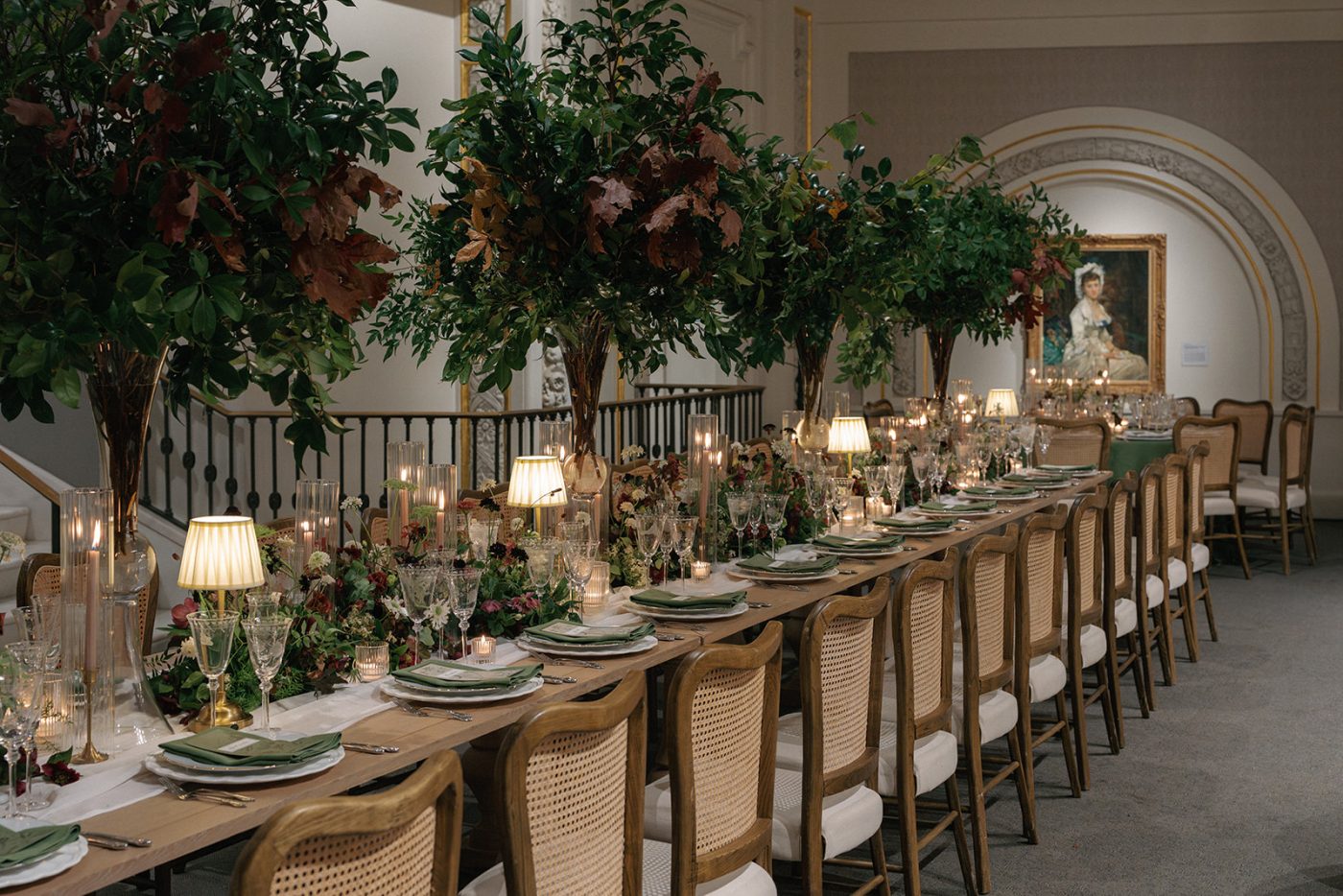
Every couple wants beautiful wedding photographs. What fewer couples think about is what actually makes a photograph beautiful in the first place, and how much of that answer comes down to a single variable: light. Light is the raw material of every image, the thing that determines whether a photograph feels alive or flat, warm or cold, intimate or distant.
A photographer can have impeccable taste, a perfect eye for composition, and a genuine rapport with their couples, and still produce disappointing images if they do not understand light at a fundamental level. This is not a post about gear or editing styles. It is about the technical and creative intelligence that separates a good photographer from one who will genuinely serve you on one of the most important days of your life.
Here’s what you need to know as you consider your wedding photographer to make sure your wedding album is everything you want.
Light Changes All Day and It Is Rarely Predictable
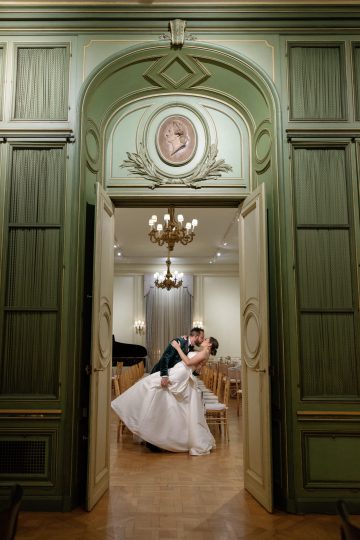
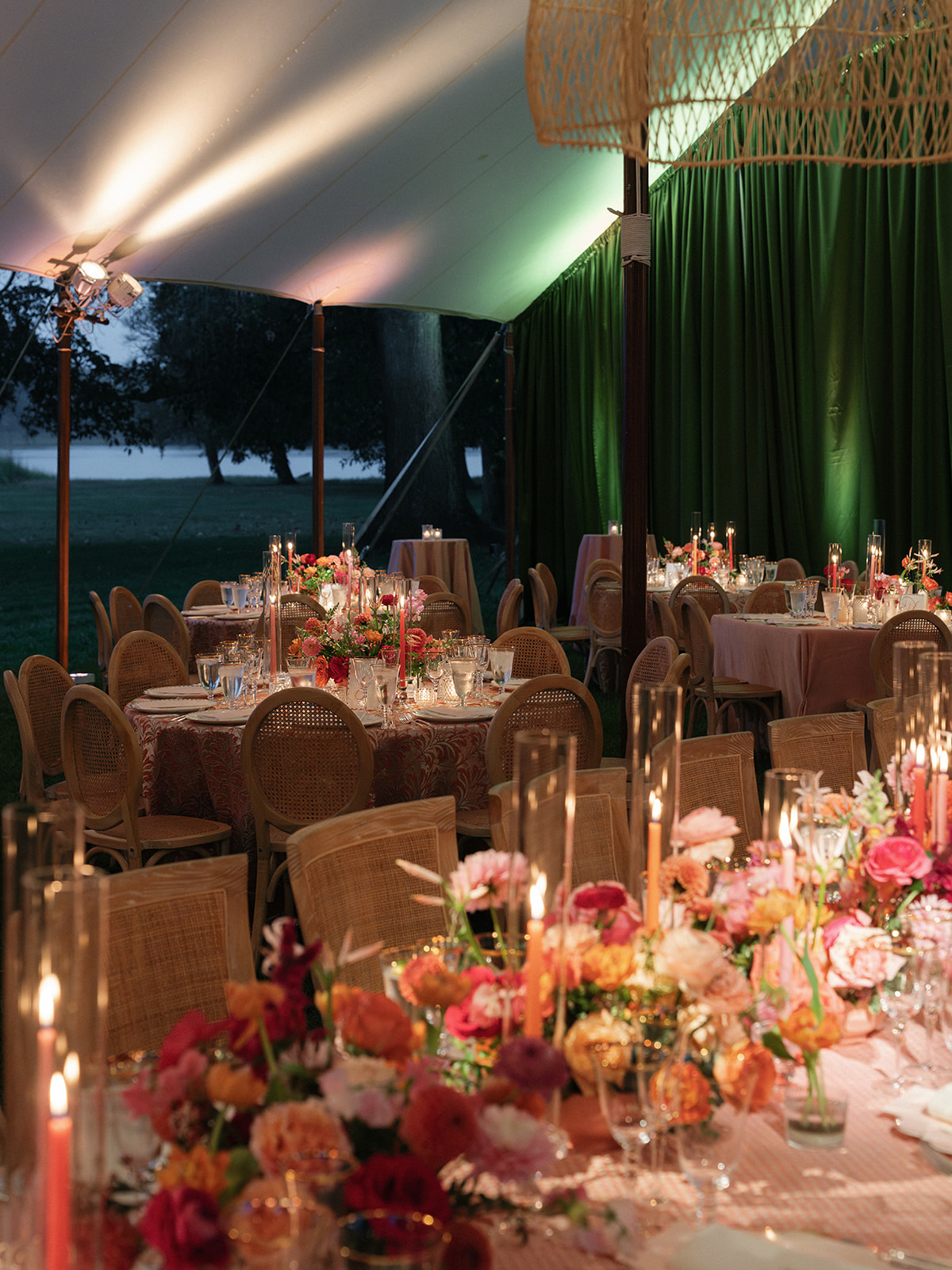
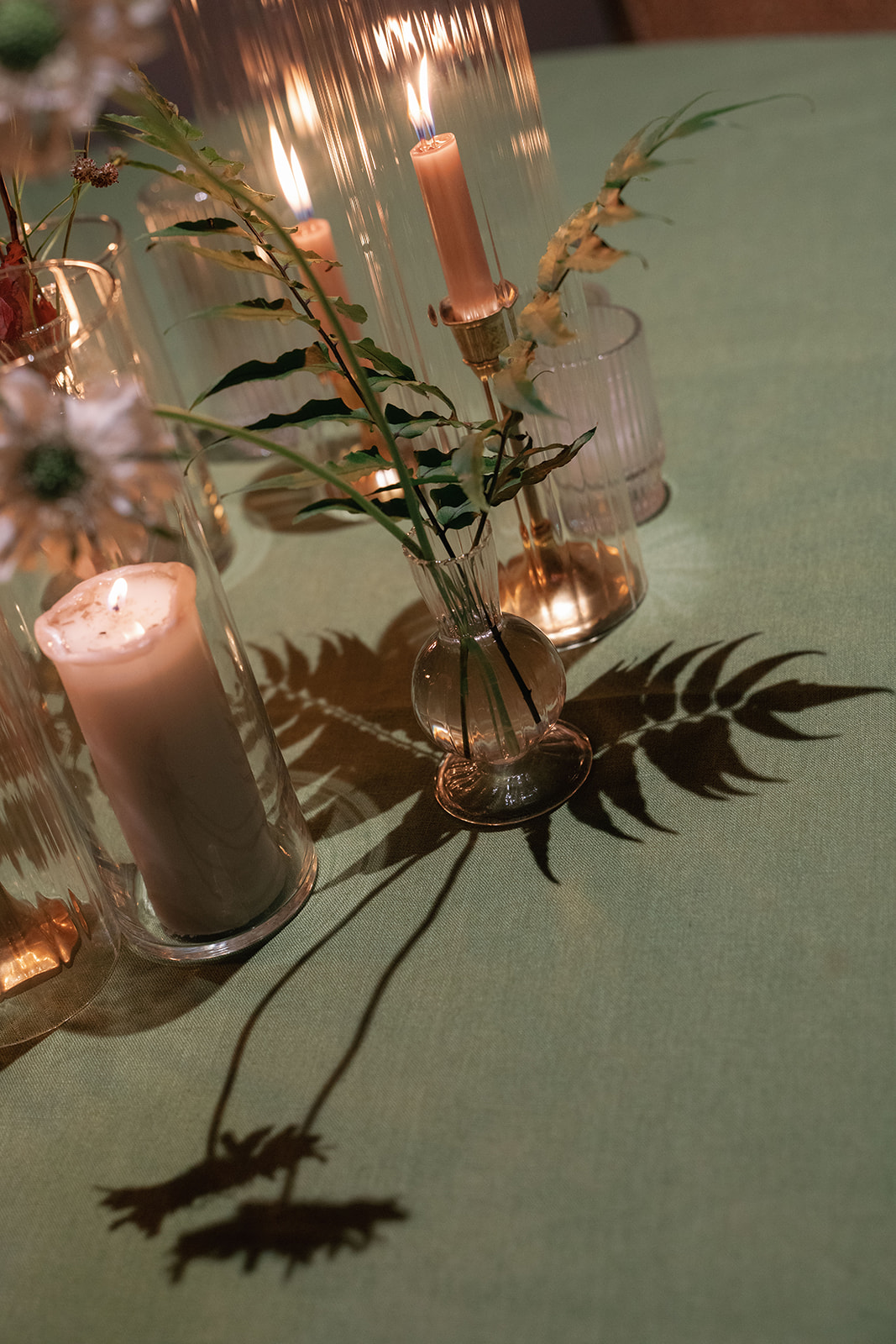
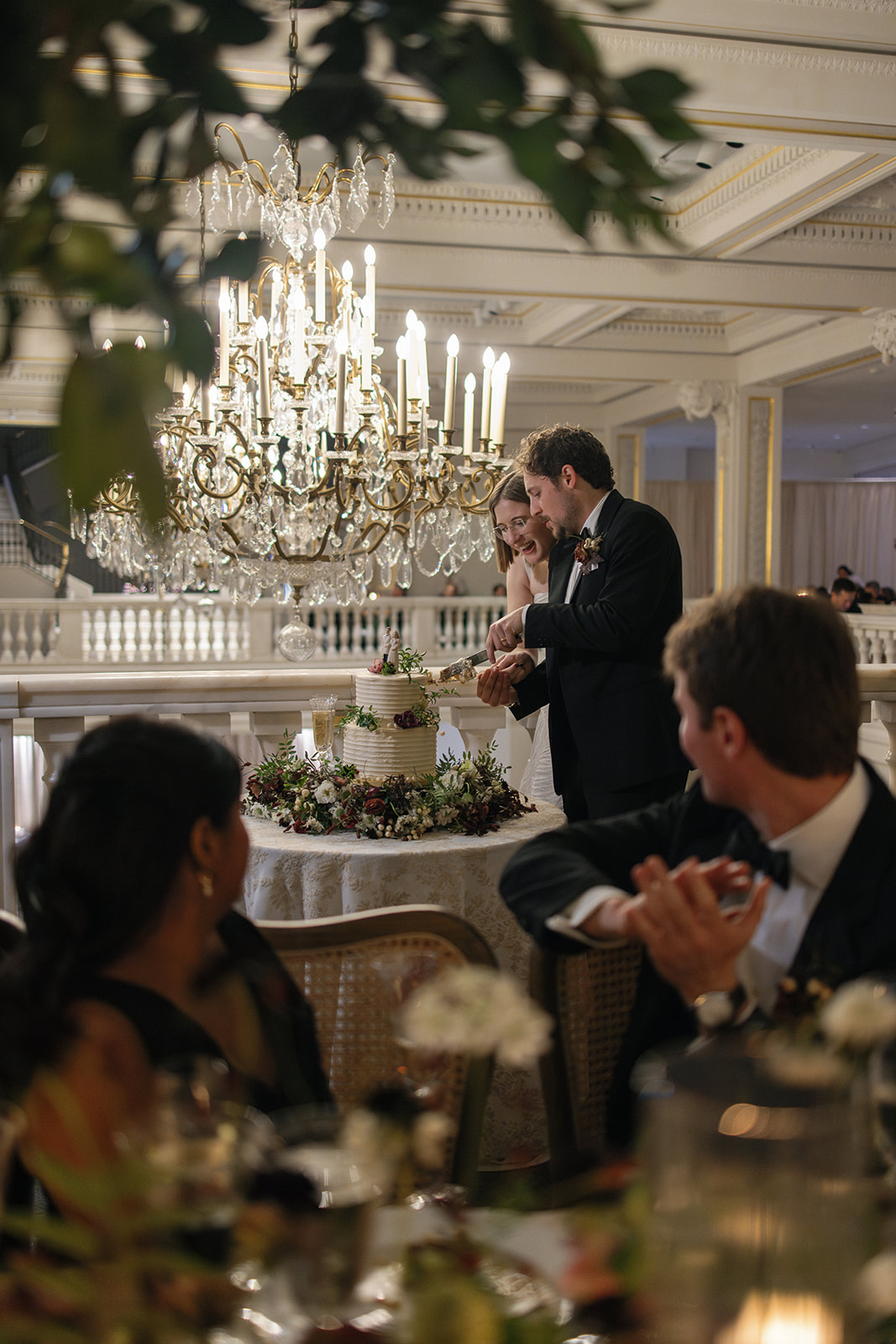
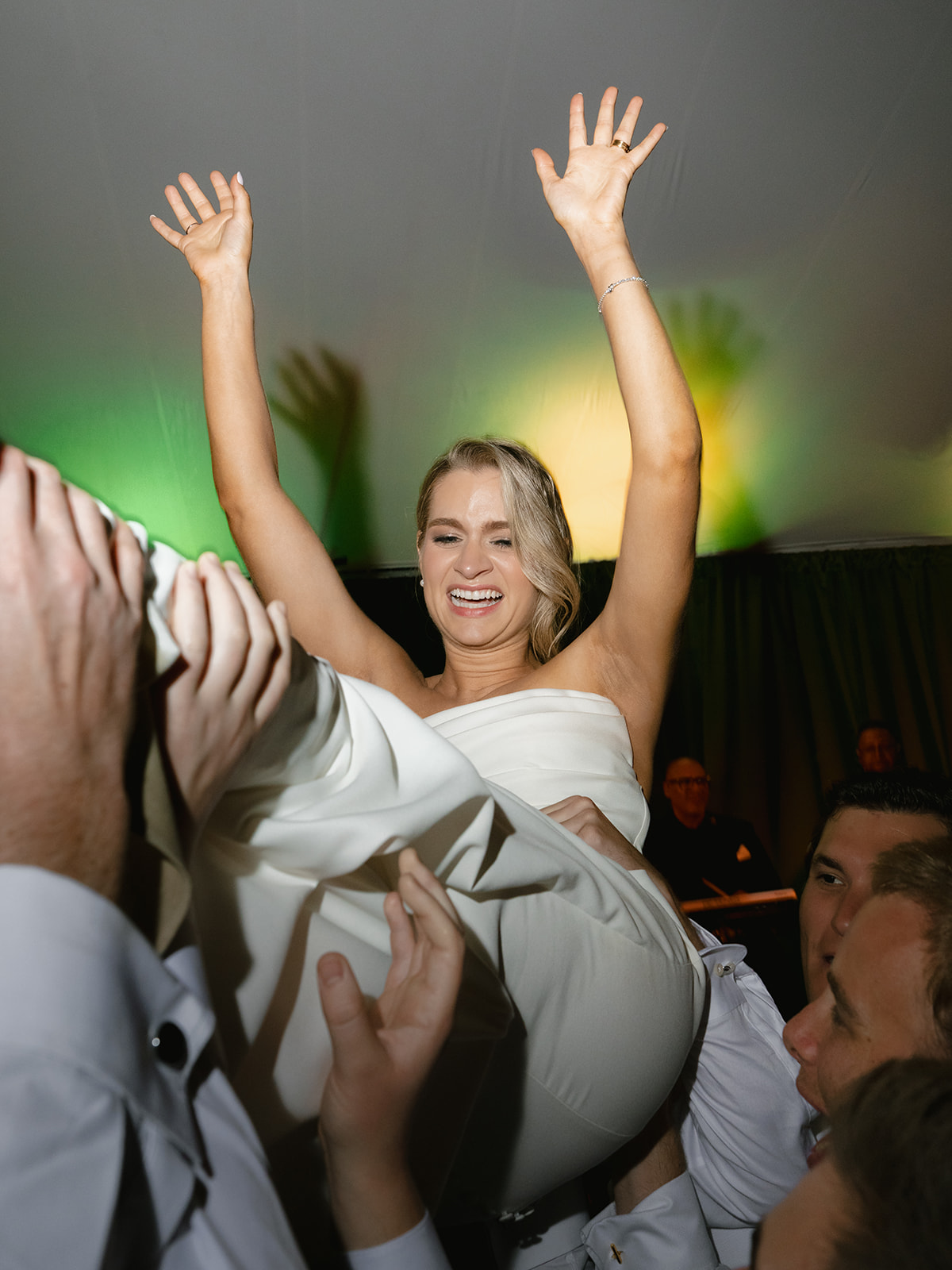
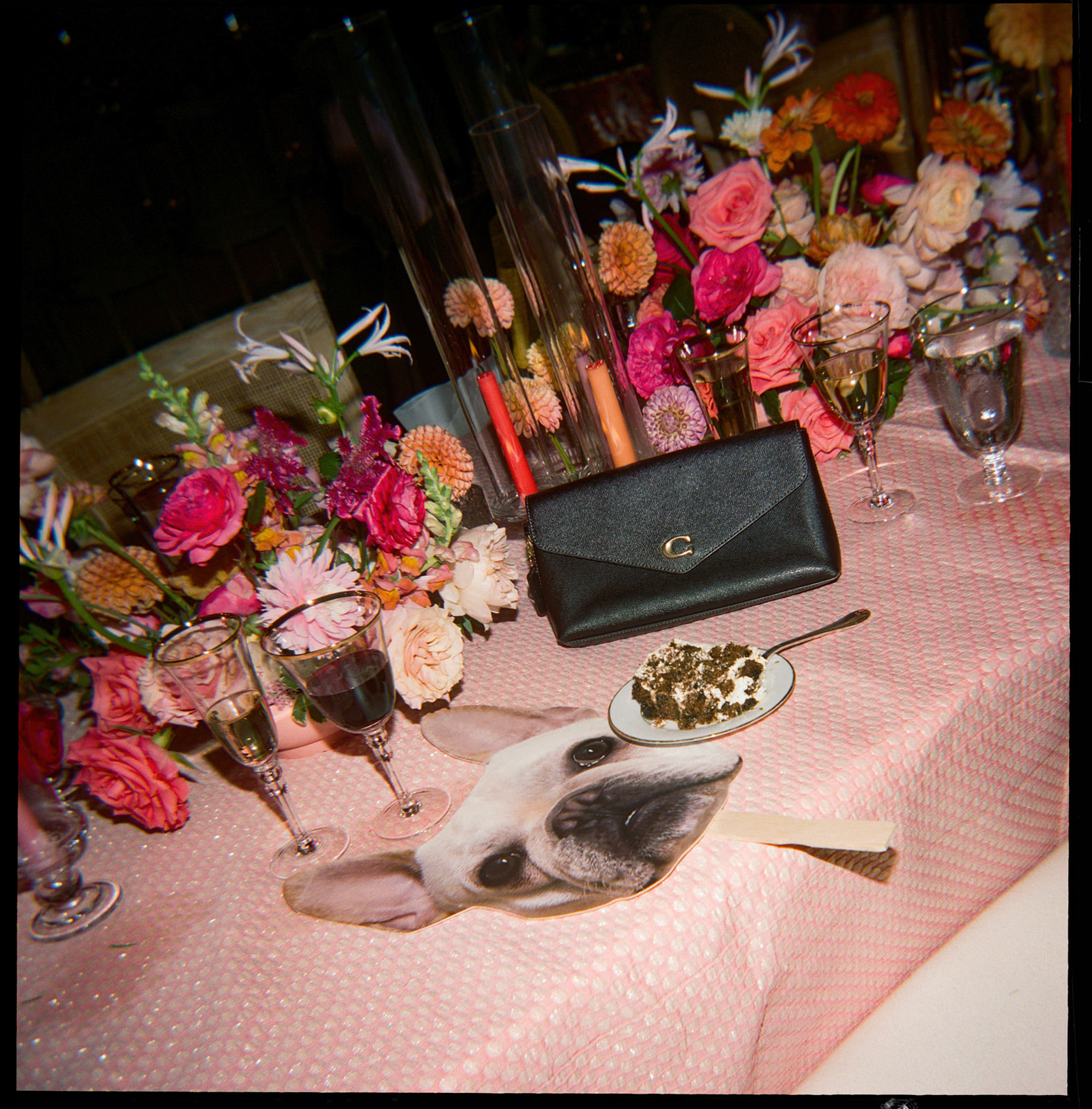
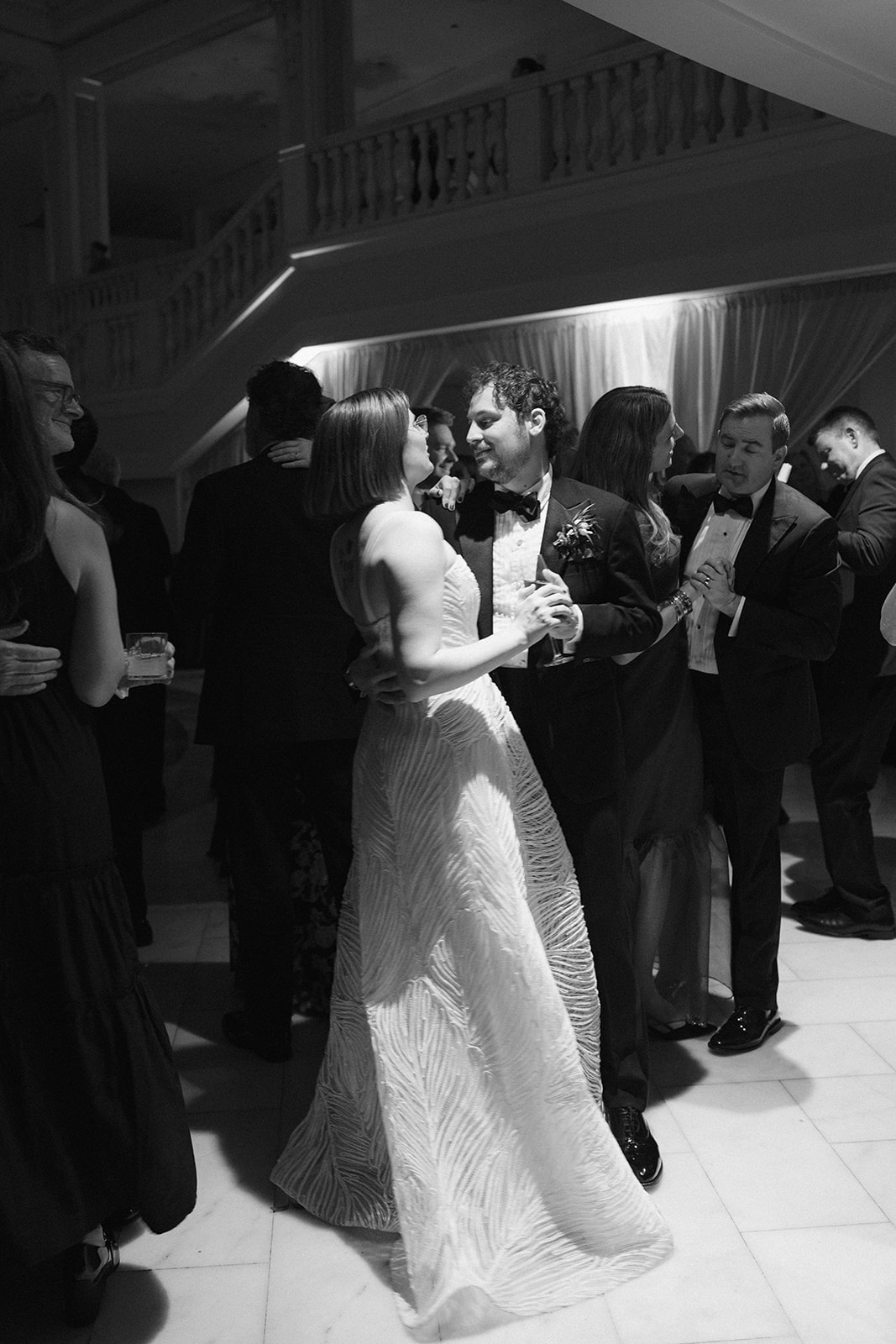
A wedding day is not a single photographic environment. It is a series of entirely different lighting situations compressed into eight to twelve hours, and a photographer moves through them without pause. A morning getting-ready suite with north-facing windows and soft diffused light gives way to a midday ceremony under direct overhead sun, which transitions into a reception hall lit by a combination of warm chandeliers, pinlights, and whatever ambient light the venue lets in. Each of those situations requires a completely different technical approach.
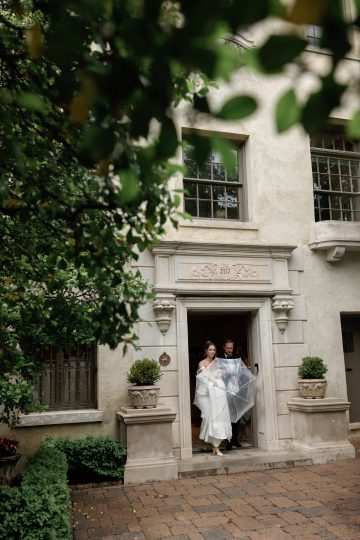
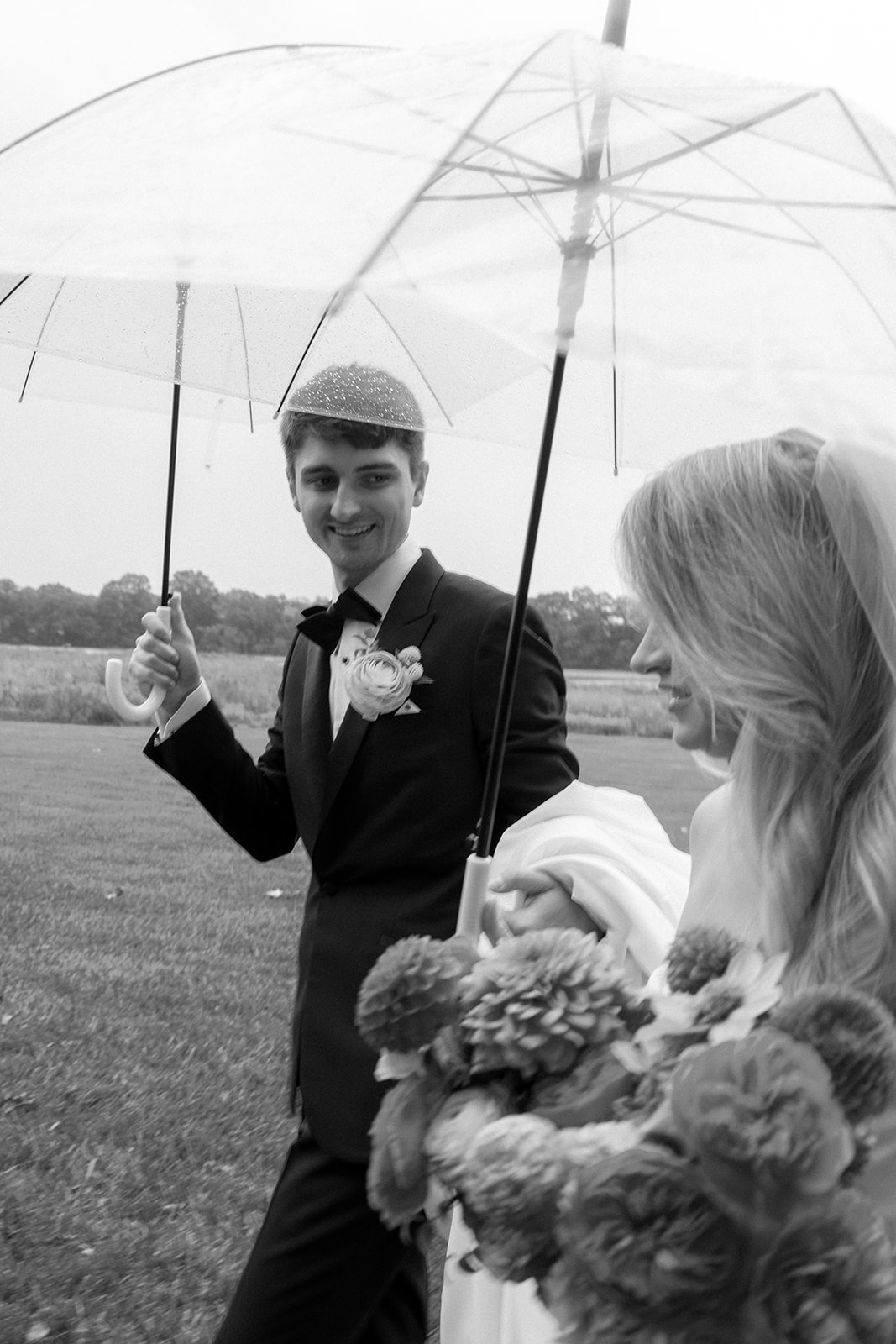
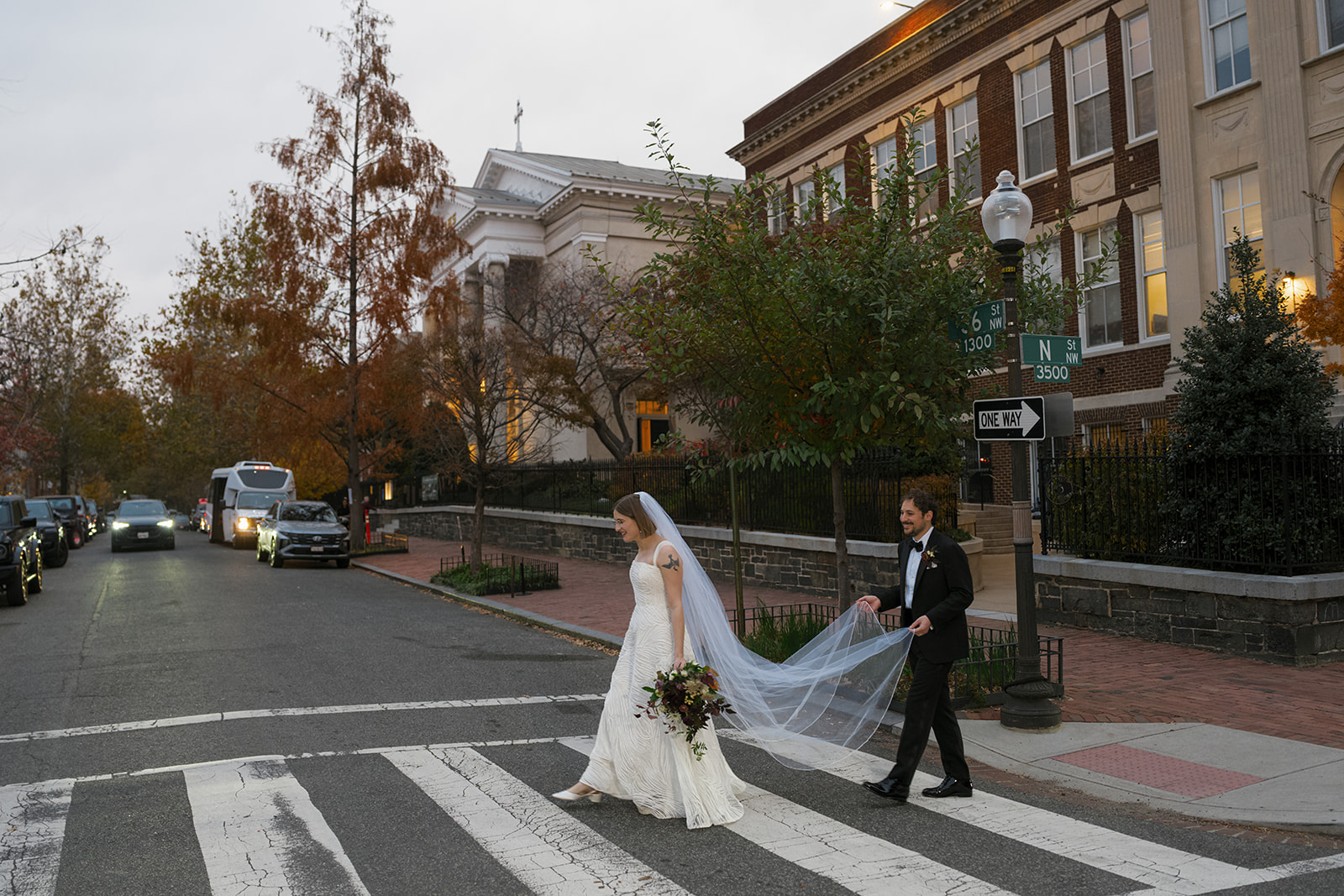
Add weather into the equation, and the complexity multiplies. An overcast sky creates a natural diffusion that can be genuinely beautiful, but it flattens contrast and shifts the color temperature of every image. Bright midday sun creates harsh shadows that require careful positioning to manage. A reception that runs later than planned means shooting in conditions that were never part of the original timeline. None of this is unusual. All of it is the normal reality of a wedding day. A photographer who excels in one type of light and struggles in others is not fully equipped for what the day will actually ask of them.
What It Means to Read a Room
There is a skill that experienced photographers develop over years of shooting in varied environments, which is difficult to articulate but immediately visible in the work. It’s the ability to walk into a space and understand it photographically within minutes.
Where is the light coming from, and where will it be in an hour? Which wall reflects it and which absorbs it? Where is the one window in the ceremony room that provides a workable angle, and how does that change as the sun moves?
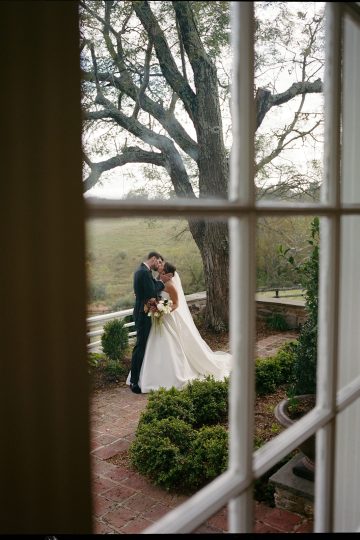
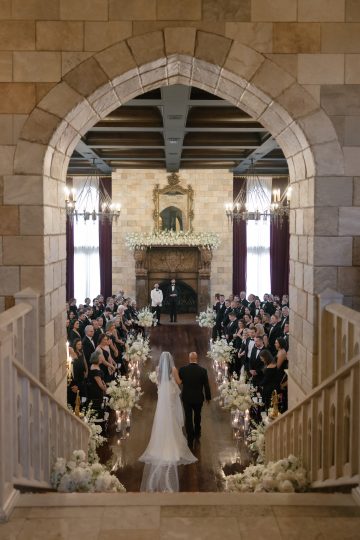
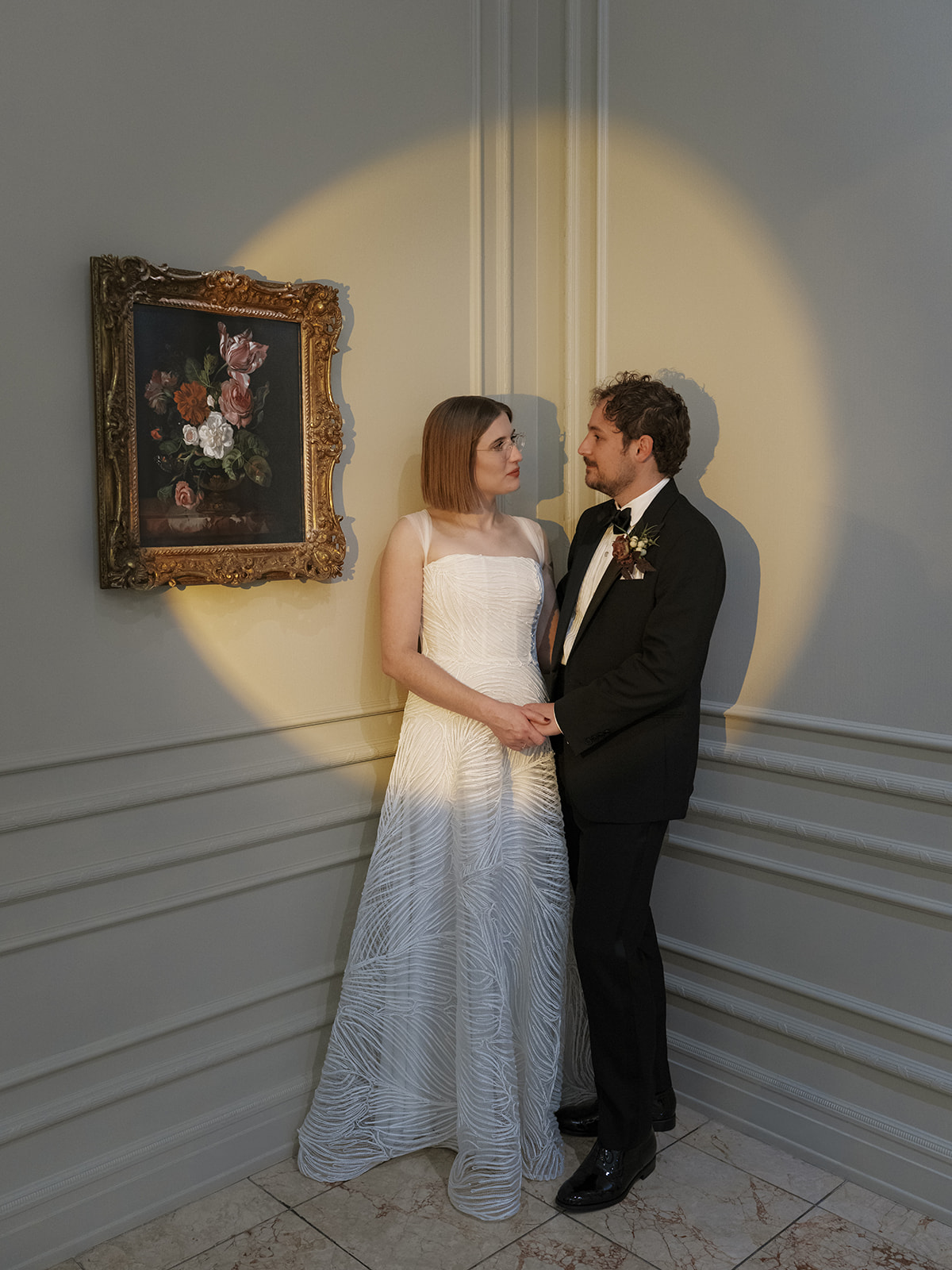
Reading a room means understanding that a church with a single strong side window is not an obstacle, it is an opportunity for directional light that creates depth and dimension. It means knowing that a reception hall with warm overhead chandeliers will render beautifully at the right camera settings and look muddy at others. It means looking at a shaded outdoor courtyard and immediately seeing the soft, even light that makes it ideal for portraits.
This kind of fluency is not instinct, it’s accumulated knowledge. When you look at a photographer’s portfolio, you are not just looking at beautiful pictures. You are looking at evidence of whether they can read a room.
Preparation Before the Day Even Starts
The best wedding photographers do not arrive on your wedding day and figure it out as they go. The preparation happens long before, and it’s specific. A venue walkthrough is not just a chance to see the space. It is an opportunity to note which rooms face which direction, to understand how the ceremony space transforms between morning and afternoon, and to identify the corners, corridors, and window seats that will matter when the timeline is moving fast and there is no time to scout.
Timeline planning is equally important, and it is a conversation that should happen between your photographer and your planner well in advance of the wedding day. A photographer who understands light will have opinions about where portraits should happen and how long the couple needs between getting ready and ceremony. These are not arbitrary preferences. They are practical recommendations rooted in knowing how light behaves in that specific venue at that specific time of year. A prepared photographer is not reacting to your wedding day. They are already three steps ahead of it.
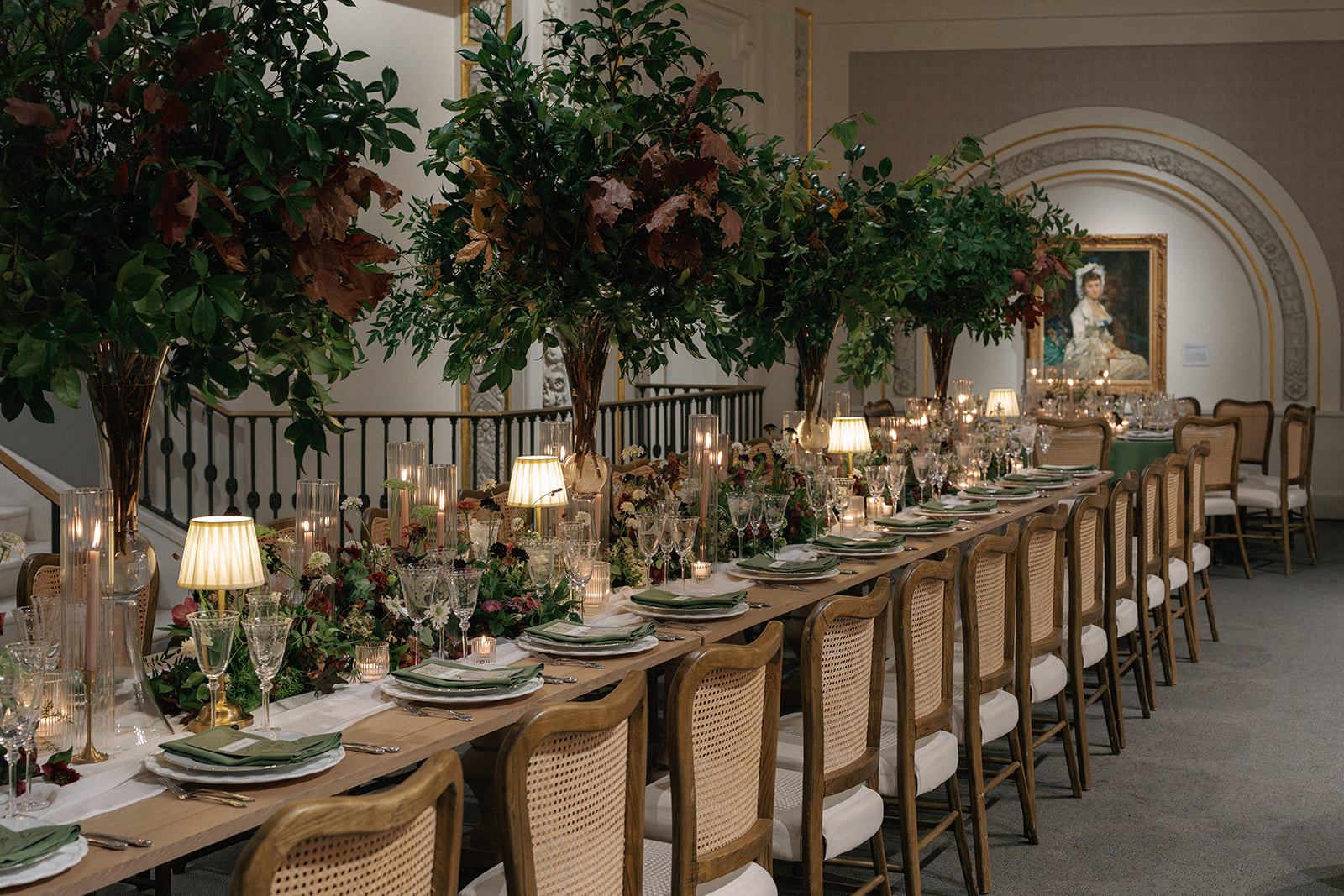
Improvisation as a Skill, Not a Backup Plan
Preparation matters enormously, and it will still not account for everything. Wedding days shift. Ceremonies run long. Family formals take more time than most couples think. The clouds that were softening the light all morning disappear twenty minutes before portraits, and suddenly the situation is entirely different from what was anticipated. This is not a failure of planning. It is just the nature of a day with this many moving parts.
What distinguishes a truly exceptional photographer is what happens in those moments. Improvisation in photography is not guesswork. It is the ability to draw on deep technical fluency and find a solution in real time, to move the couple fifteen feet to the left because there is open shade there that was not part of the original plan, to adjust the approach entirely because the room changed, and the original idea no longer serves the image. The couple should never know that any of this is happening. They should simply experience a photographer who seems calm, confident, and completely in control. That composure is not personality. It is expertise.
What to Ask When You Are Vetting Photographers
When you are in a consultation with a photographer, the conversation about light is worth having directly. Ask how they handle mixed artificial lighting at receptions. Ask what their approach is when a timeline shift affects portrait time. Ask whether they do venue walkthroughs and what they look for when they do. Ask to see full wedding galleries rather than curated highlight images, because a full gallery shows you how a photographer performs across an entire day in varied conditions, not just in the twenty perfect moments they chose to feature. The answers will tell you a great deal about whether you are talking to someone who is genuinely prepared or someone who is hoping the day cooperates.
Choosing the Right Wedding Day Photography
The photographs from your wedding day will outlast almost everything else about it. The flowers will be gone by Monday. The cake will be eaten. The dress will be packed away. What remains are the images, and those images were shaped by decisions made long before anyone walked down the aisle. They were shaped by a photographer who studied the venue, thought carefully about the timeline, and arrived on the day already knowing how to handle whatever the light decided to do. You deserve that level of preparation. Make sure the photographer you choose can offer it.
Get in touch here if you’d like to talk more about your wedding day.
Venues Featured:
National Museum of Women in the Arts
Private Eastern Shore Estate